Technical Insights
Ethernet Cable Installation Guide (Cost, Wiring, Office Setup & Pro Tips)
Slow internet is not just annoying. It quietly kills productivity, drops important calls, and slows down entire teams.
Gateway Tech IT Services
3/29/2026

Stay updated with the latest news, trends, and expert opinions in IT management, physical networking, security architecture, and cloud migrations.
Slow internet is not just annoying. It quietly kills productivity, drops important calls, and slows down entire teams.
Slow internet is not just annoying, it quietly eats your time, interrupts your work, and creates daily frustration. A video call freezes at the wrong moment. A file takes forever to upload. Streaming buffers when everyone is online.
If your internet keeps dropping or your TV signal suddenly disappears, the first instinct is to blame the service provider. Most of the time, that’s wrong.
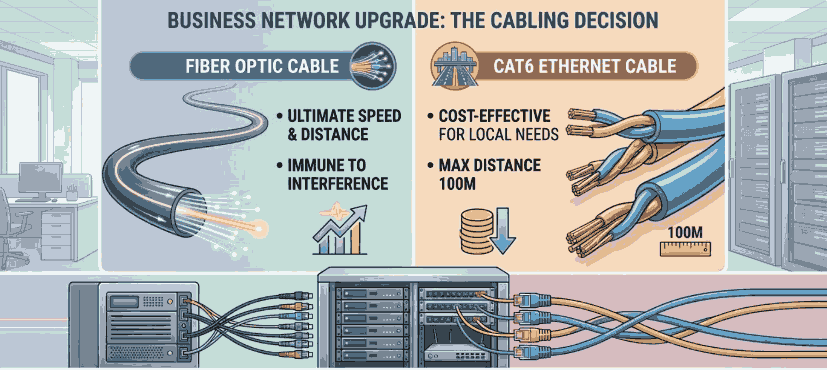
Businesses upgrading their network often face the same question should they install fiber optic cable or stick with CAT6 . Many assume fiber is always the better choice because it is faster. In reality, choosing the wrong cable can lead to unnecessary costs or a network that does not fit the business environment.
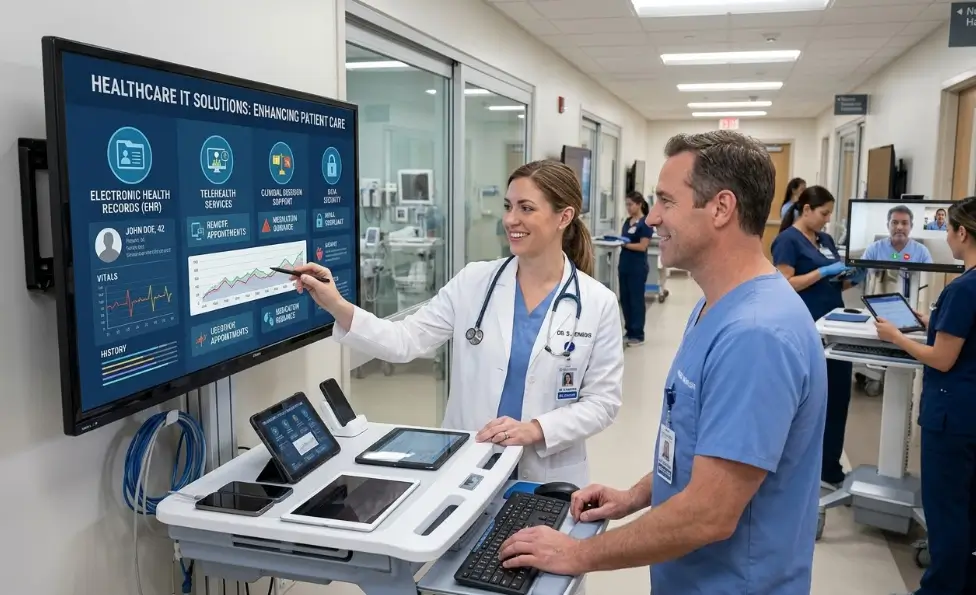
Hospitals now manage thousands of digital interactions every day. Patient records, imaging files, prescriptions, and insurance information move through complex systems that must work without interruption. When these systems fail or fail to connect, care slows down and risks increase.

Walk through any hospital floor and you will notice something immediately. Machines are everywhere. Patient monitors track heartbeats and oxygen levels. Infusion pumps deliver medication with precise dosing. Ventilators support patients who cannot breathe on their own. Every one of these devices produces valuable patient data every second.

Most hospitals don’t struggle with a lack of data. They struggle with data trapped in the wrong systems. That’s the real problem behind EHR interoperability.

HL7 integration is the process of connecting healthcare systems so they can share patient data safely and accurately. It follows standards created by Health Level Seven International. These standards help hospitals move information between labs, billing systems, and electronic records without manual work or data loss through healthcare device integration.

A single overlooked access permission can expose thousands of patient records.One untested backup can turn a cyberattack into a six-figure disaster.And one missing document can trigger a federal investigation.

Technology problems rarely start as disasters.They begin as small delays, strange errors, slow systems, and “we’ll fix it later” decisions.Before long, productivity drops, employees get frustrated, and leaders realize IT is quietly hurting revenue. Growing companies often discover that proactive technology planning prevents these silent productivity losses before they escalate.
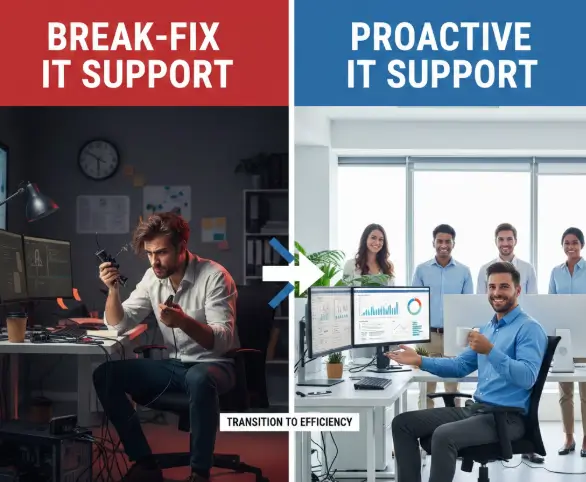
Many small and mid-sized businesses ignore IT until something breaks. At first, this feels smart because it saves money. But over time, this habit creates stress, lost sales, and security risks. Choosing between break-fix and proactive IT support is not technical. It is a business survival decision.

Startups rarely fail because of bad ideas. They fail because systems break when growth begins. Servers slow down. Tools stop integrating. Security gaps appear. Costs spiral. What looked “good enough” suddenly becomes dangerous. For many founders, this is where managed IT services become critical rather than optional
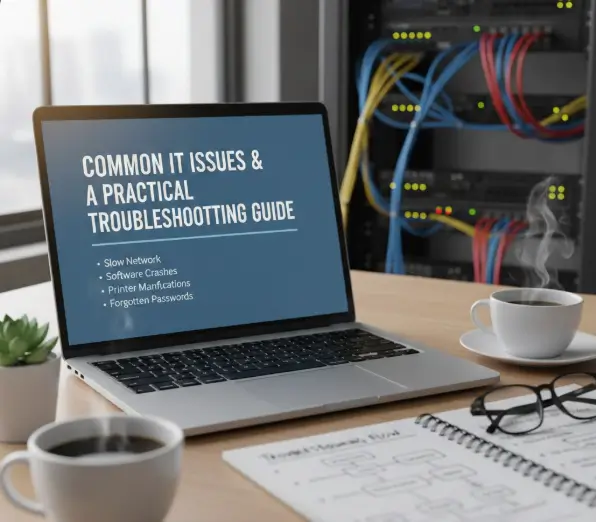
Technology failures rarely announce themselves politely.They interrupt meetings, stall invoices, freeze screens, and test everyone’s patience.One small IT problem can quietly drain hours of productivity before anyone realizes the true cost. Businesses using proactive IT support often prevent these silent productivity losses before they escalate.

A computer crash rarely happens at a good time. Payroll freezes, files vanish, or systems slow down right when customers are waiting. Most small business owners do not lose money because of one big disaster; they lose it slowly through daily technical friction. That’s why reliable IT support for emergencies is essential.
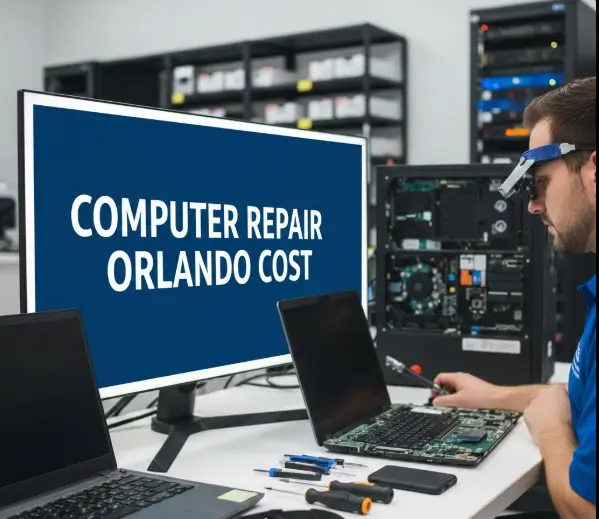
Last month, a small business owner in Lake Nona walked into our office with a dead laptop.Payroll was due in four hours. The screen was black. He thought he needed a new computer.
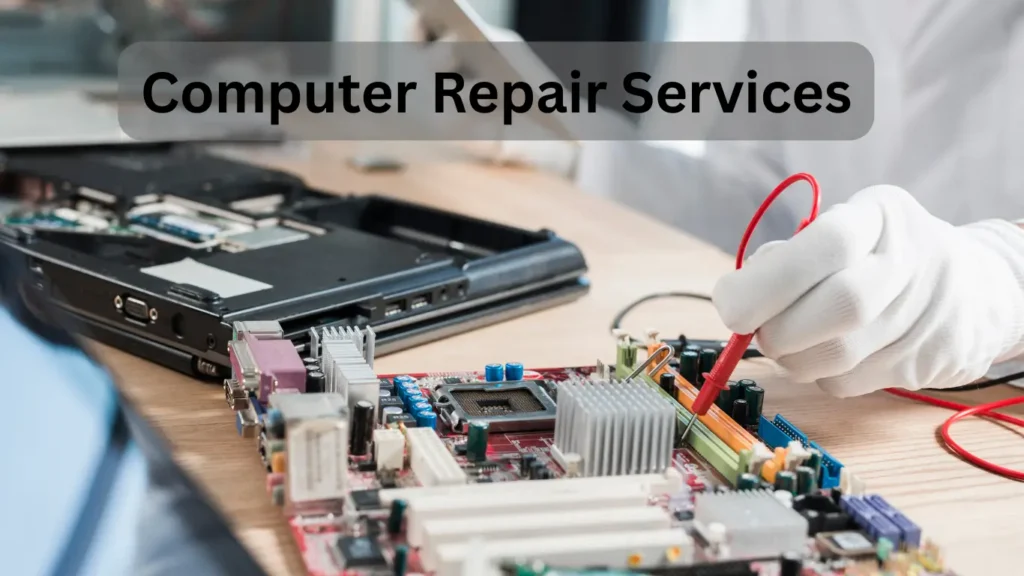
Running a business or managing daily tasks in Orlando means relying heavily on technology. When a computer slows down, crashes unexpectedly, or fails to boot, it’s more than an inconvenience it can cost hours of productivity and impact revenue. Small businesses, freelancers, and home users all face this challenge.
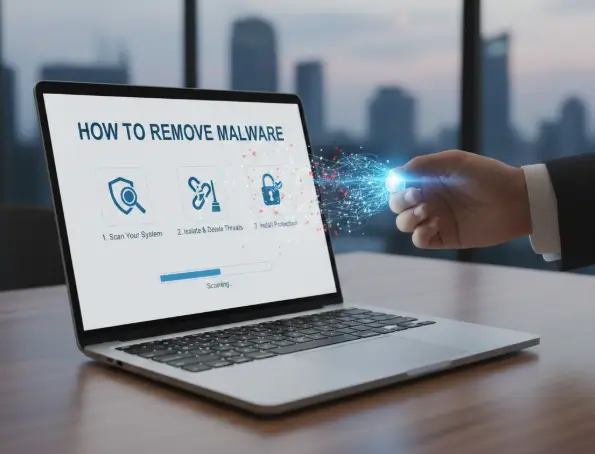
Malware infections on work PCs can disrupt productivity and threaten sensitive business data. Slow systems, unexpected pop-ups, or unauthorized file access are signs your PC may be compromised. Acting quickly is crucial because every minute of delay increases the risk of data loss or ransomware attacks.
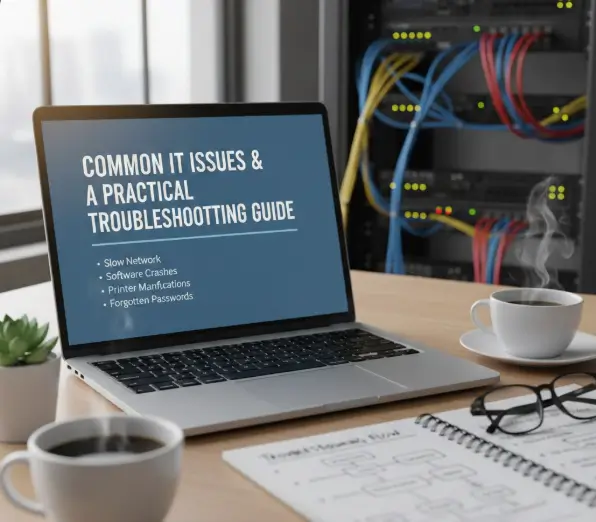
Running a small office is like managing a delicate machine. One glitch in computers can slow your team, waste hours, and cost money. Slow systems, unexpected crashes, or printer issues are not just annoying they affect productivity and morale. That’s why having small office IT support is crucial
If your computer is acting up, you’re probably stuck between two bad feelings.Spending money on a repair that might not last, or buying a new computer you’re not sure you need.
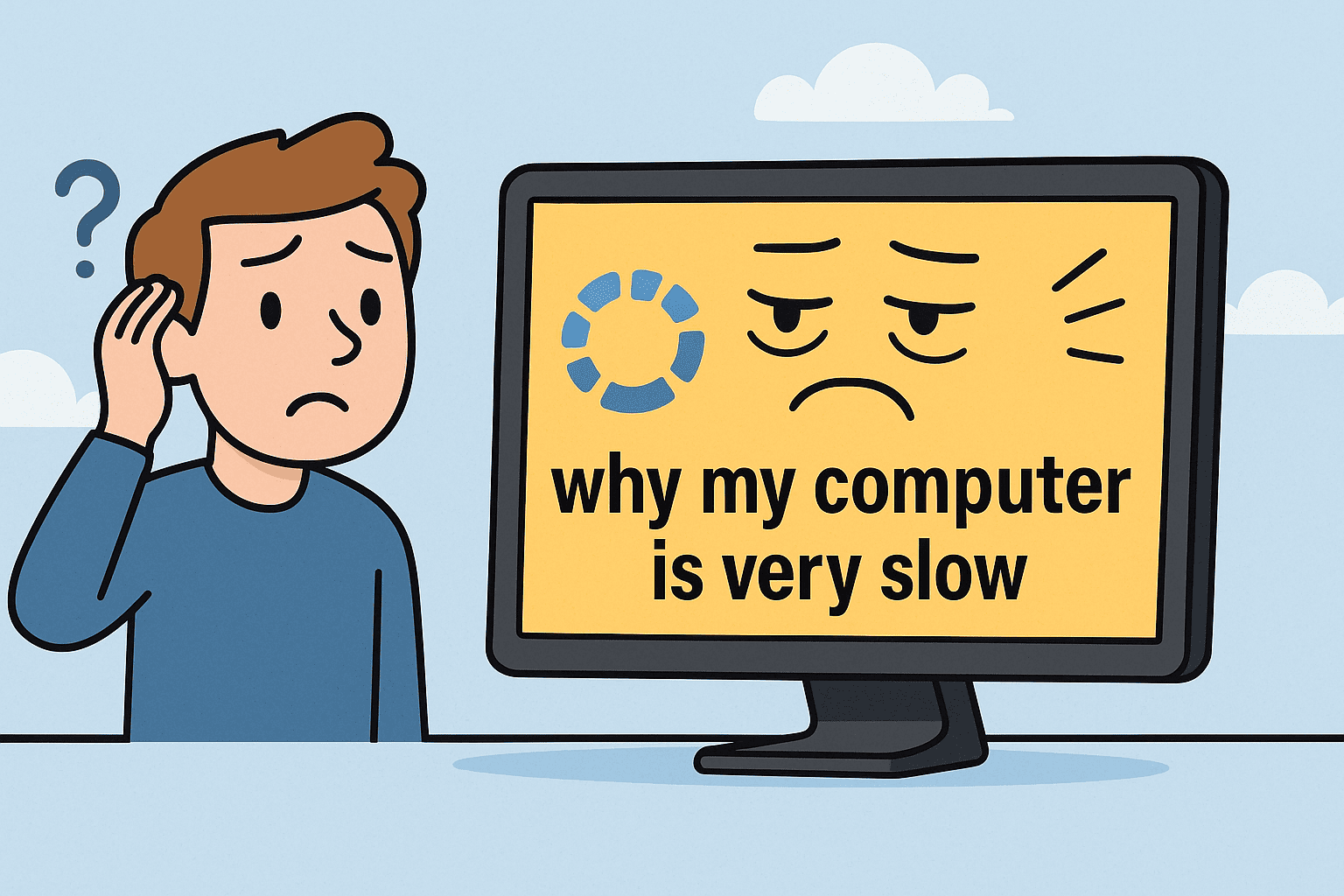
If your computer suddenly feels slow or laggy, you are not alone. Many users experience this without knowing why. Sometimes it happens after installing new software, Windows updates, or even seemingly random. The good news is most causes can be diagnosed and fixed without spending a fortune.
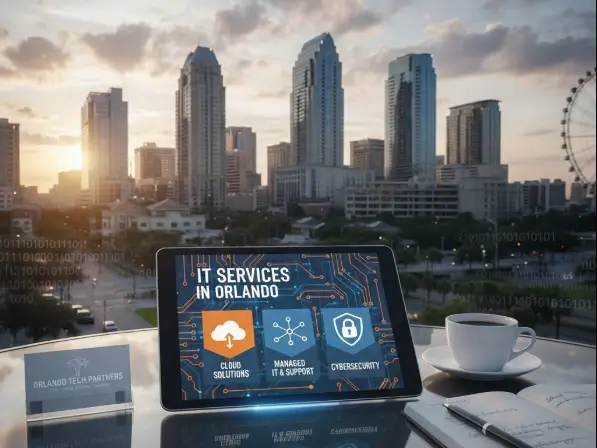
Running a business in Orlando means staying competitive while managing technology risks that can stop revenue and frustrate clients. That’s why many companies turn to professional IT support designed for Orlando businesses to prevent outages before they happen. Many local businesses come to us after an outage, a security scare, or months of slow IT support.

Business communication usually breaks quietly.Calls drop. Audio cuts out and teams struggle without managed IT solutions in place. Customers lose patience.By the time leadership notices, deals have already slipped away.

VoIP problems feel small until they repeat. Dropped calls, poor audio, and delays quietly kill sales and trust.In real operations, issues that happen weekly are not glitches. They are system signals.Many teams keep troubleshooting because VoIP is “supposed to be cheaper,” but comparing VoIP with traditional phone systems often reveals when short-term savings turn into long-term costs.

Businesses lose money when phone systems fail to scale with growth. Rising bills, missed calls, and poor flexibility hurt revenue every month. This guide explains VoIP vs traditional phone systems using real cost logic. It helps owners and managers choose a system that saves money and supports remote work. Every section focuses on clear costs, real outcomes, and smart decisions.

Remote work is no longer a trend. It is the new standard for modern businesses.Teams now work across cities, countries, and time zones. This shift creates one major challenge: reliable business communication. Remote teams depend on fast and stable communication, and businesses can improve efficiency by leveraging managed IT support to ensure connectivity across locations
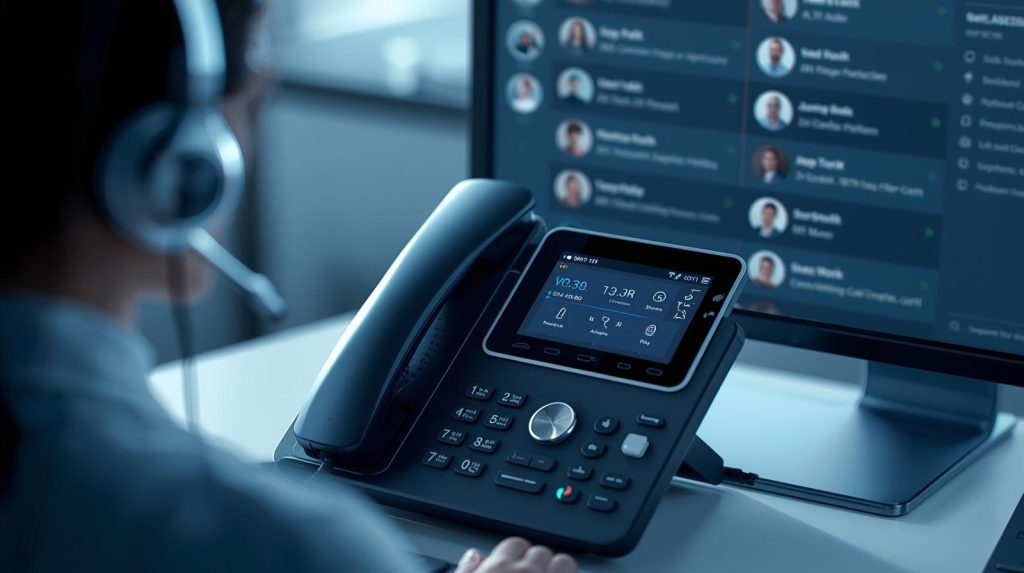
VoIP, or Voice over Internet Protocol, lets businesses make calls using the internet instead of landlines. It saves costs, improves flexibility, and supports remote teams. Small businesses can scale quickly without expensive hardware. This guide explains how VoIP works, key benefits, and practical setup steps.

If you run a business in Orlando, IT support is no longer optional but choosing the wrong support model is expensive. Downtime, security gaps, slow response times, and surprise costs usually come from one mistake: picking on-site or remote support without understanding when each actually works.
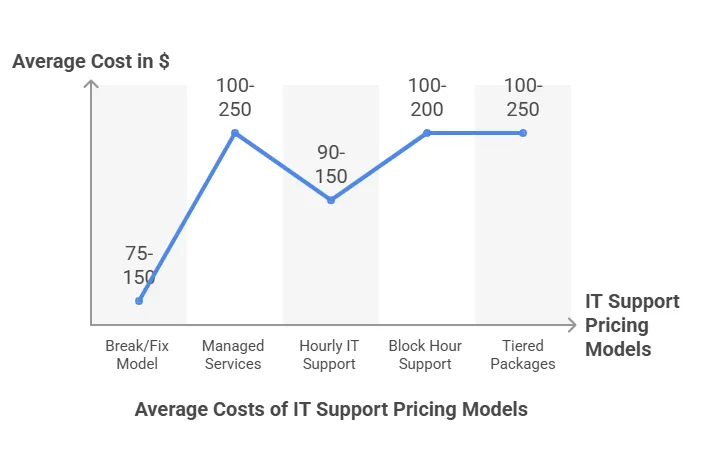
If you are a business owner in Orlando, IT service costs are higher in 2026 than ever before. This is not marketing talk it is driven by real changes. Inflation has increased labor and software costs, cybersecurity threats now require stronger protection, and cloud and compliance needs are no longer optional. As a result, Orlando businesses must budget smarter for IT.
Running a small business is challenging, and IT issues can silently drain your productivity and revenue. Many companies ignore technical problems until a critical failure occurs. Professional IT support ensures systems run smoothly, data remains secure, and employees can focus on growth rather than troubleshooting.

Choosing the right IT support model is a critical decision for small and growing businesses. Many organizations struggle to decide between Managed IT Services and On-Demand IT Services (also known as break-fix IT)—two approaches that differ significantly in cost structure, support style, and long-term business impact.

In today’s digital-first economy, technology is no longer a support function, it is a core business driver. From securing sensitive data to enabling remote work and scaling operations, professional IT services play a critical role in how modern businesses operate, grow, and compete.
Technology should move your business forward, not slow it down. Yet for many Orlando and Longwood businesses, IT issues like downtime, security threats, and unreliable support quietly drain productivity and revenue every day.
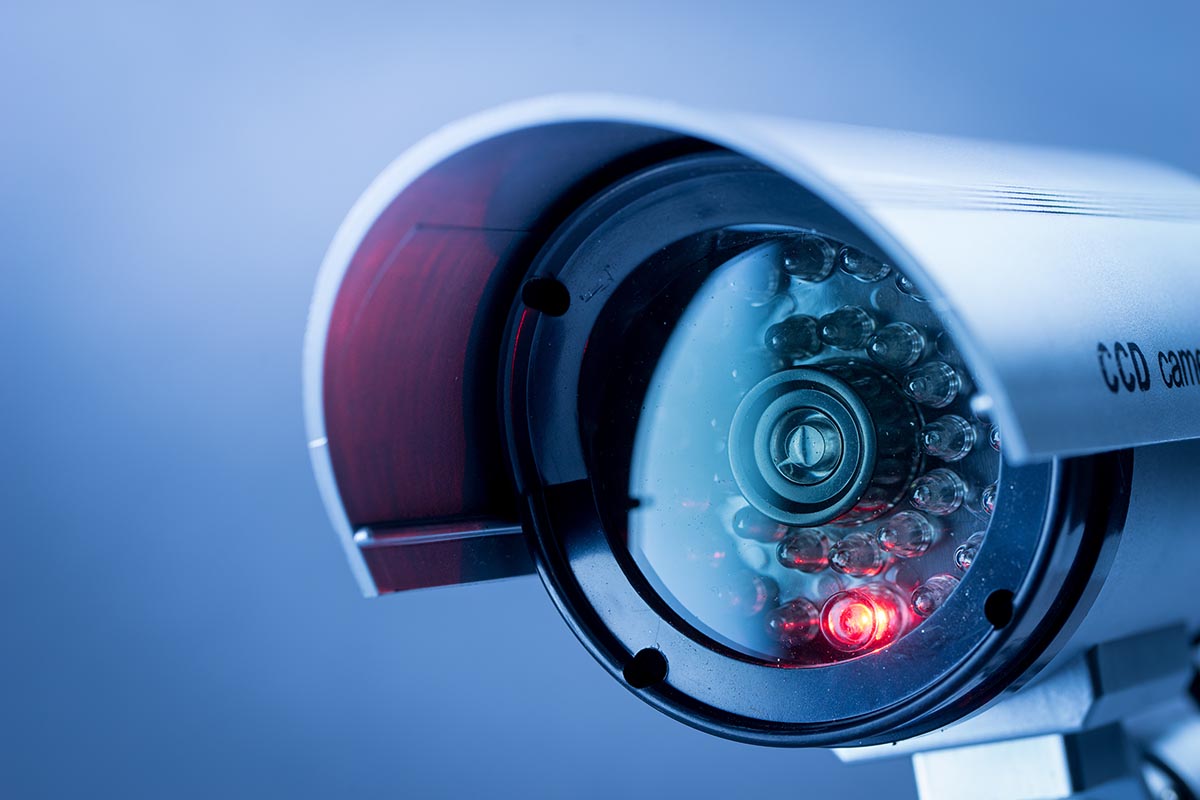
When you're thinking about getting a camera for security at home or for a business, you might come across two common terms: CCTV and security cameras. Even though they both help with surveillance, they are not exactly the same thing. In this article, we’ll break down what CCTV and security cameras are, how they work, and which one is best for different situations.

Keeping your home safe is very important. Smart Home Security Cameras help you watch your home anytime, even when you are away. These cameras send alerts when someone moves near your house and let you see live video from your phone, tablet, or computer.

In today’s world, security is more important than ever. For businesses in Longwood, ensuring that your assets, employees, and customers are safe is a priority. Security camera systems not only protect your business from theft and vandalism but also provide a sense of security and peace of mind. As a business owner, safeguarding your investment should be a top concern.
In today’s world, security is more than just a luxury; it’s a necessity. Whether you are protecting your home, family, or business, ensuring safety should always be a top priority. But with rising crime rates, particularly in residential areas, many people are turning to security cameras to provide peace of mind.
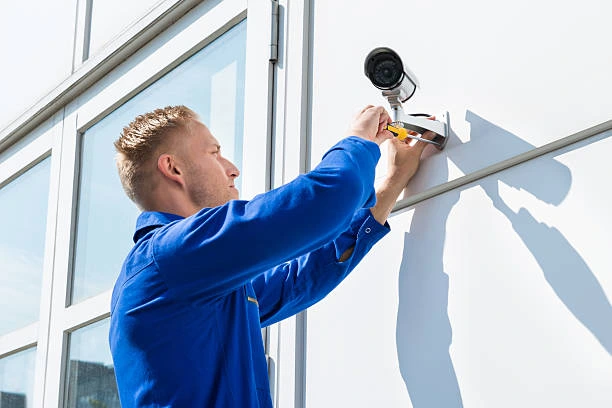
Keeping your home safe in Longwood, FL requires more than locking doors or relying on a standard alarm system. With rising concerns about outdoor theft, porch package loss, and driveway intrusions, homeowners are turning toward professionally installed outdoor security cameras to strengthen protection and gain peace of mind.

Security cameras are now very important for keeping homes, shops, and offices safe. They help stop stealing, watch what is happening, and protect the people who work or visit your place. But to get a camera system that really works, you need the right installation company. There are many camera installers in Longwood, FL, and not all of them do a good job.